
May, 2026
This article explores the emerging concept of “Panama Power” and how next-generation electrical architecture is helping accelerate AI infrastructure deployment. As hyperscale data centers, GPU clusters, and high-performance computing (HPC) environments continue increasing in scale and power density, the industry is moving toward faster, more scalable power systems designed to reduce deployment bottlenecks and support modern AI infrastructure growth.
Artificial Intelligence infrastructure is expanding faster than traditional power systems were originally designed to support.
Hyperscale AI data centers, GPU clusters, and high-performance computing (HPC) facilities are rapidly increasing in both scale and power density. As AI demand accelerates globally, deployment speed is becoming one of the biggest competitive factors in the industry.
However, many AI infrastructure projects are now encountering a growing bottleneck: power delivery and electrical infrastructure deployment.
In some large-scale AI projects, electrical infrastructure timelines are beginning to exceed server deployment timelines. The challenge is no longer simply building more computing power, it is how quickly supporting infrastructure can be deployed, integrated, and scaled.
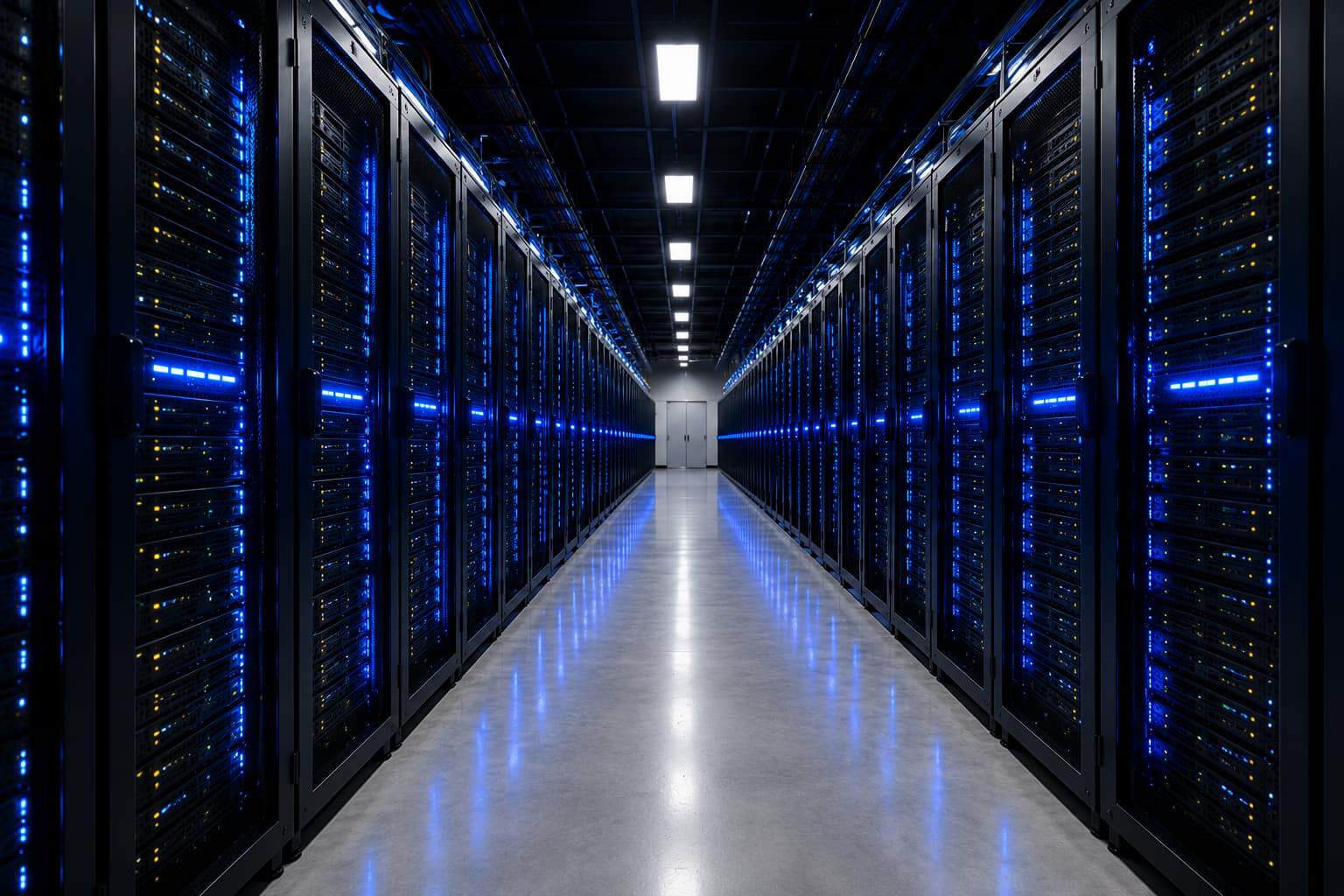
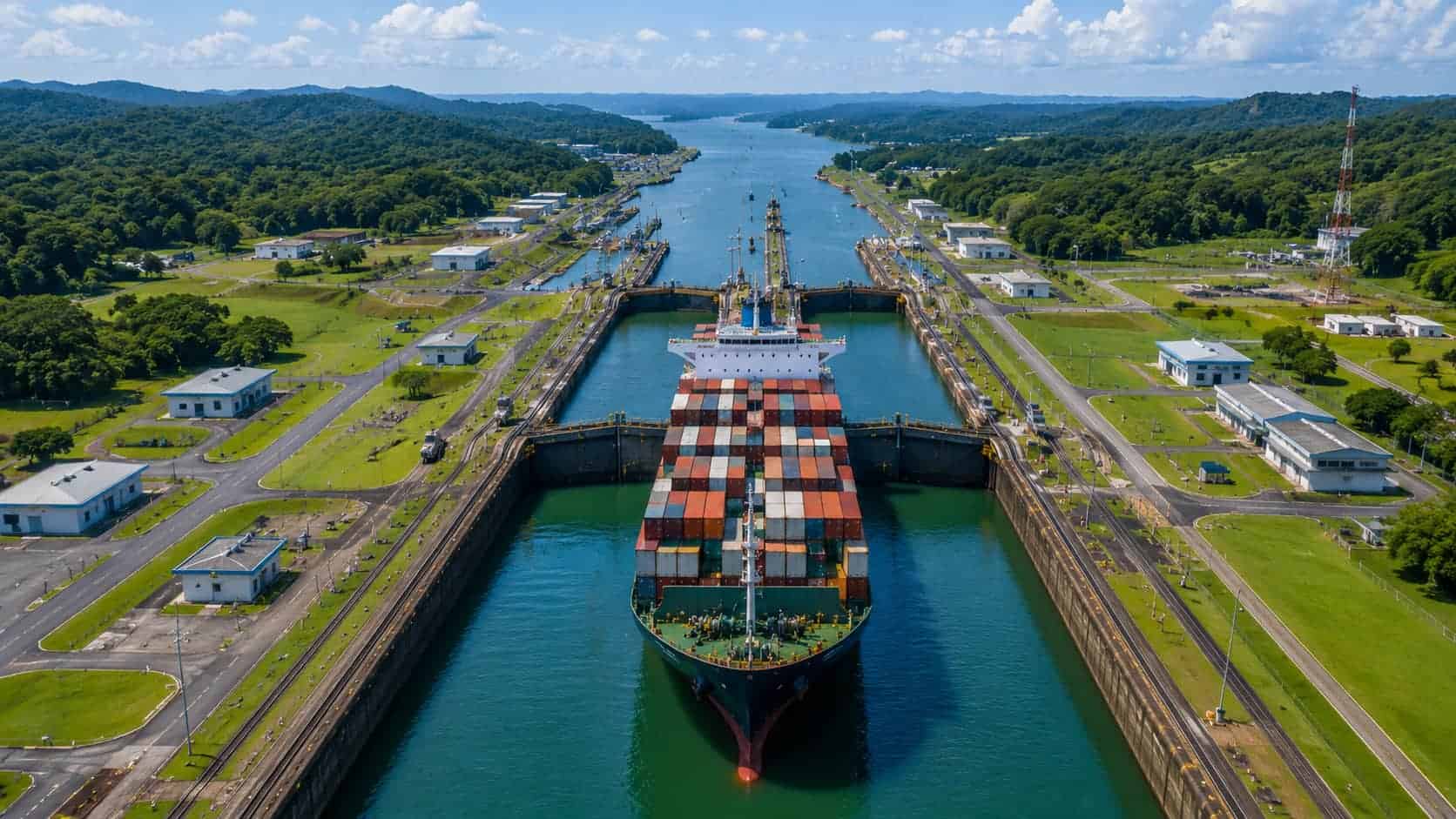
In the AI infrastructure sector, “Panama Power” is emerging as a concept describing next-generation power architecture designed for faster, more scalable AI deployment.
The idea draws inspiration from the Panama Canal.
Historically, the Panama Canal transformed global trade by opening a more direct transportation route and removing major traffic bottlenecks. Once the channel opened, global shipping movement accelerated dramatically.
AI infrastructure is now facing a similar challenge.
Traditional power systems often introduce multiple layers of electrical complexity between utility power and AI computing hardware. As deployment demand increases, infrastructure traffic is increasingly stacking at the power delivery layer.
Panama Power reflects the growing industry movement toward:
The concept is closely associated with the broader transition toward 800VDC AI power architecture and next-generation data center electrical systems.
Modern AI computing environments require dramatically higher power density than traditional data centers.
AI rack power demand is rapidly moving beyond traditional 10-20 kW environments toward 100 kW, 250 kW, and even higher-density configurations.
At the same time, conventional power systems may involve four to five separate conversion stages between medium-voltage utility power and AI computing hardware.
Each additional conversion stage can increase:
As a result, the industry is increasingly evaluating:
The objective is not only improving efficiency but also accelerating infrastructure deployment and simplifying large-scale AI expansion.
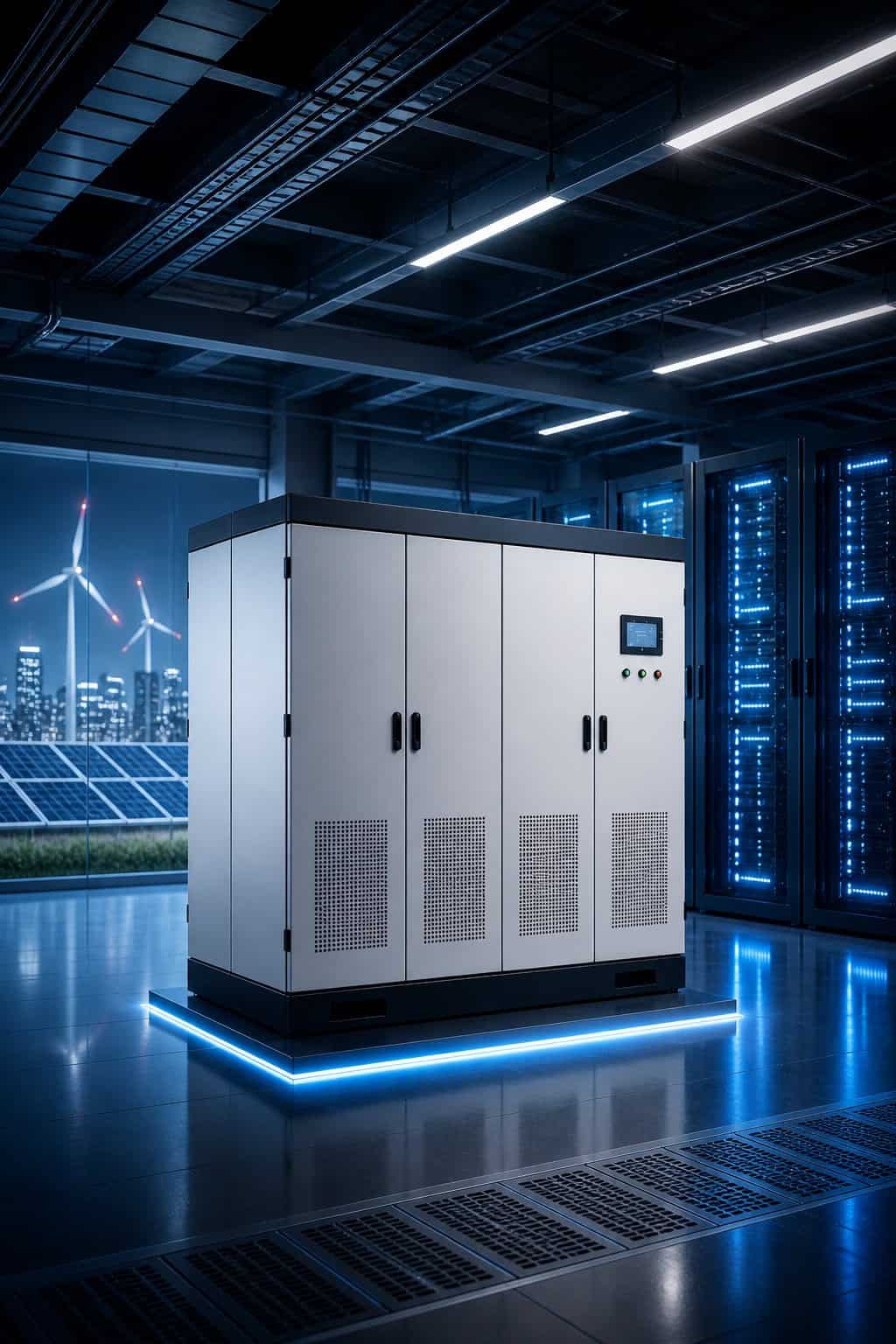
Learn more about ETAC’s Solid-State Transformer (SST) for AI data centers and modern power infrastructure.
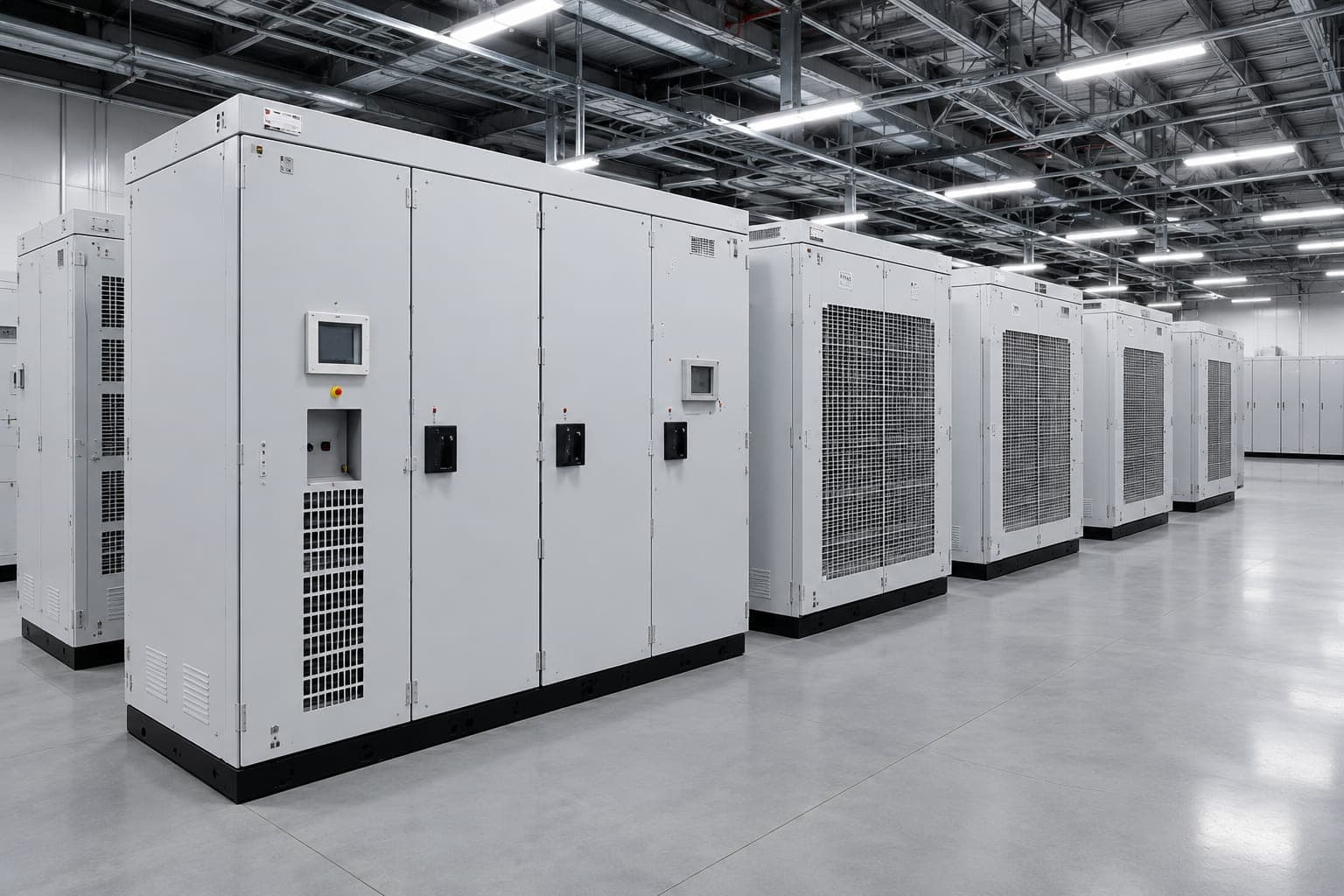
As AI demand accelerates globally, infrastructure deployment speed is becoming increasingly important.
Organizations are under pressure to:
Traditional infrastructure architecture can create deployment challenges due to:
SST-based modular architecture may help support:
In next-generation AI infrastructure, electrical architecture is becoming part of overall deployment strategy.
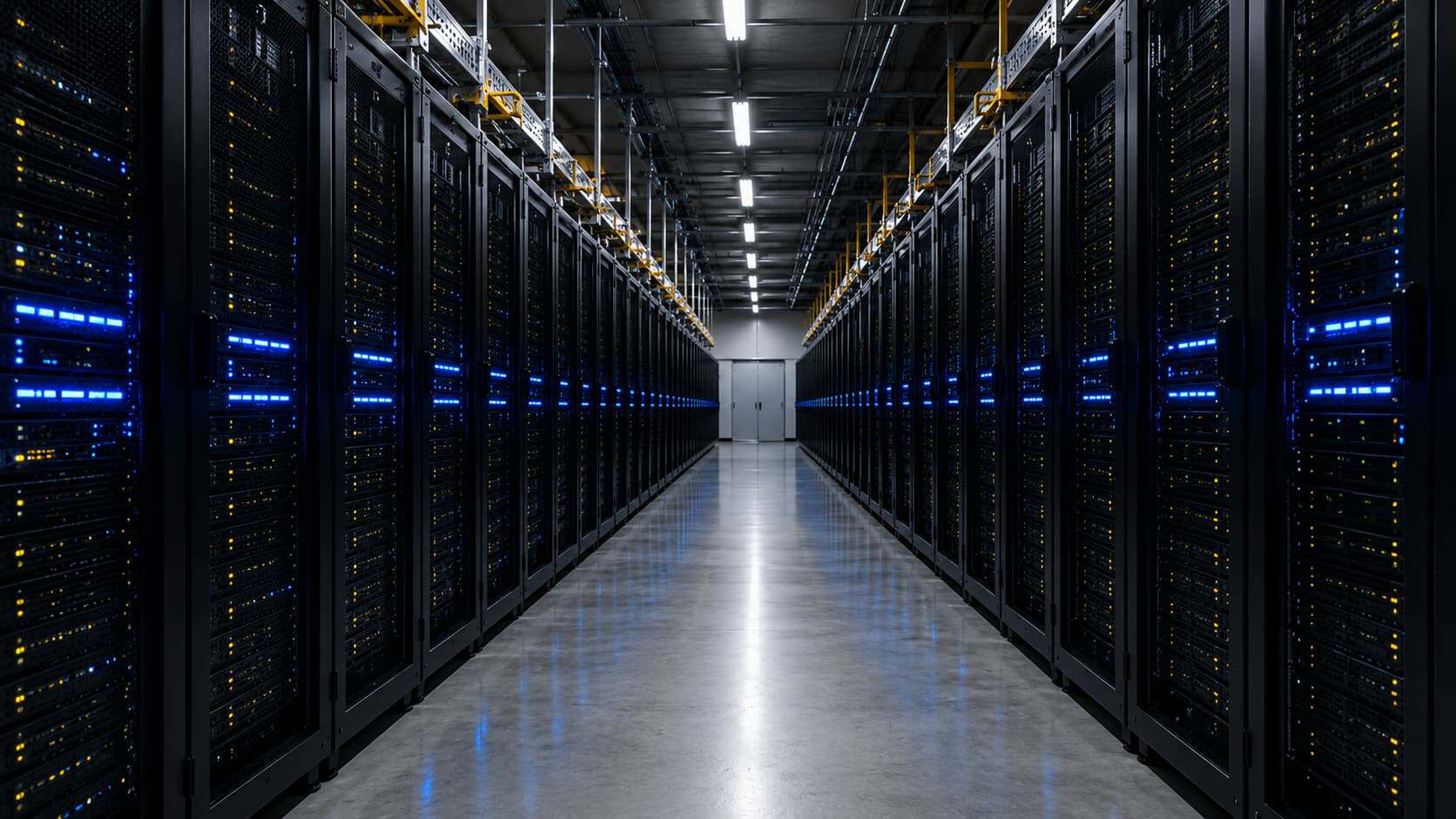
The AI industry is moving toward a new infrastructure model built around:
Panama Power reflects this broader transition toward AI infrastructure systems designed to move faster, scale more efficiently, and support next-generation computing environments.
As AI deployment continues accelerating worldwide, the ability to deploy infrastructure quickly and efficiently may become one of the most important competitive advantages in the industry.
ETAC provides Solid-State Transformer solutions designed for:
To learn more about ETAC SST deployment opportunities and next-generation AI infrastructure applications, contact our team for technical consultation and project evaluation.
Panama Power refers to an emerging AI infrastructure architecture focused on faster deployment, scalable power systems, and reduced electrical complexity for hyperscale data centers and HPC environments.
800VDC architecture helps reduce conversion stages, improve power density, simplify infrastructure deployment, and support high-performance AI computing environments.
Solid-State Transformers (SSTs) support AI infrastructure by enabling medium-voltage power conversion, modular deployment, flexible DC integration, and higher-density power delivery.
As AI demand accelerates globally, organizations need faster infrastructure deployment to scale computing capacity, reduce bottlenecks, and support rapid data center expansion.