May, 2026
As modern electrical infrastructure evolves, industries such as AI data centers, renewable energy, EV charging, and industrial microgrids are demanding more efficient and intelligent power systems. Traditional transformers have powered electrical grids for over a century. However, emerging technologies like the Solid-State Transformer (SST) are introducing a new approach to power conversion and energy management.
This article compares Solid-State Transformers vs Traditional Transformers for AI data center and modern power infrastructure applications.
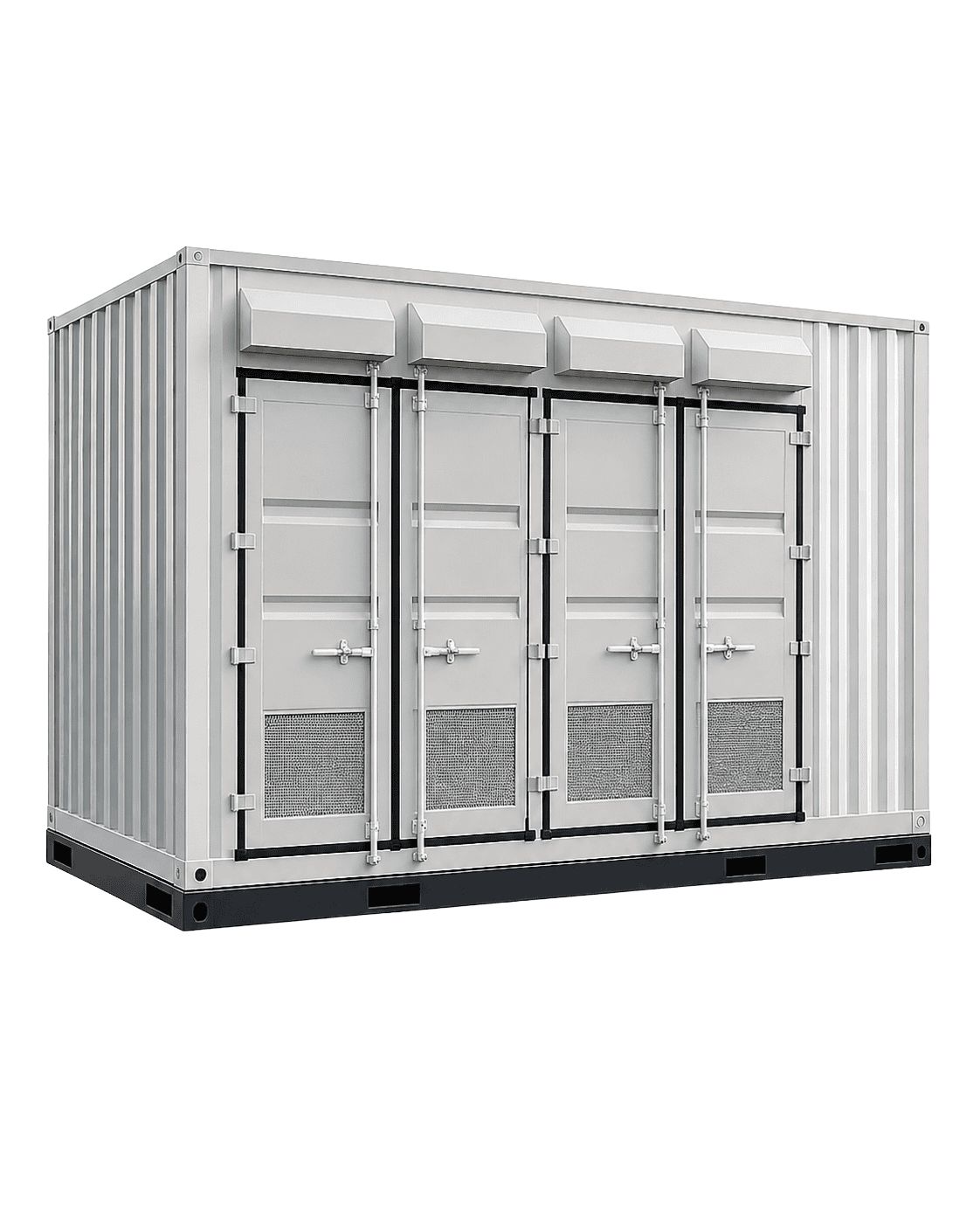
Conventional transformers typically use:
Their primary function is to step voltage up or down for transmission and distribution systems.
Traditional transformers are widely used in:
Because of their durability and proven reliability, traditional transformers remain a core component of global electrical infrastructure.
A Solid-State Transformer (SST) is an advanced power electronics-based system that replaces many conventional transformer components with high-frequency semiconductor switching technology.
Unlike traditional transformers, SST systems use:
Rather than simply stepping voltage up or down, an SST functions as an intelligent energy routing platform capable of:
For AI data center applications, SST technology enables more flexible, efficient, and scalable power infrastructure.
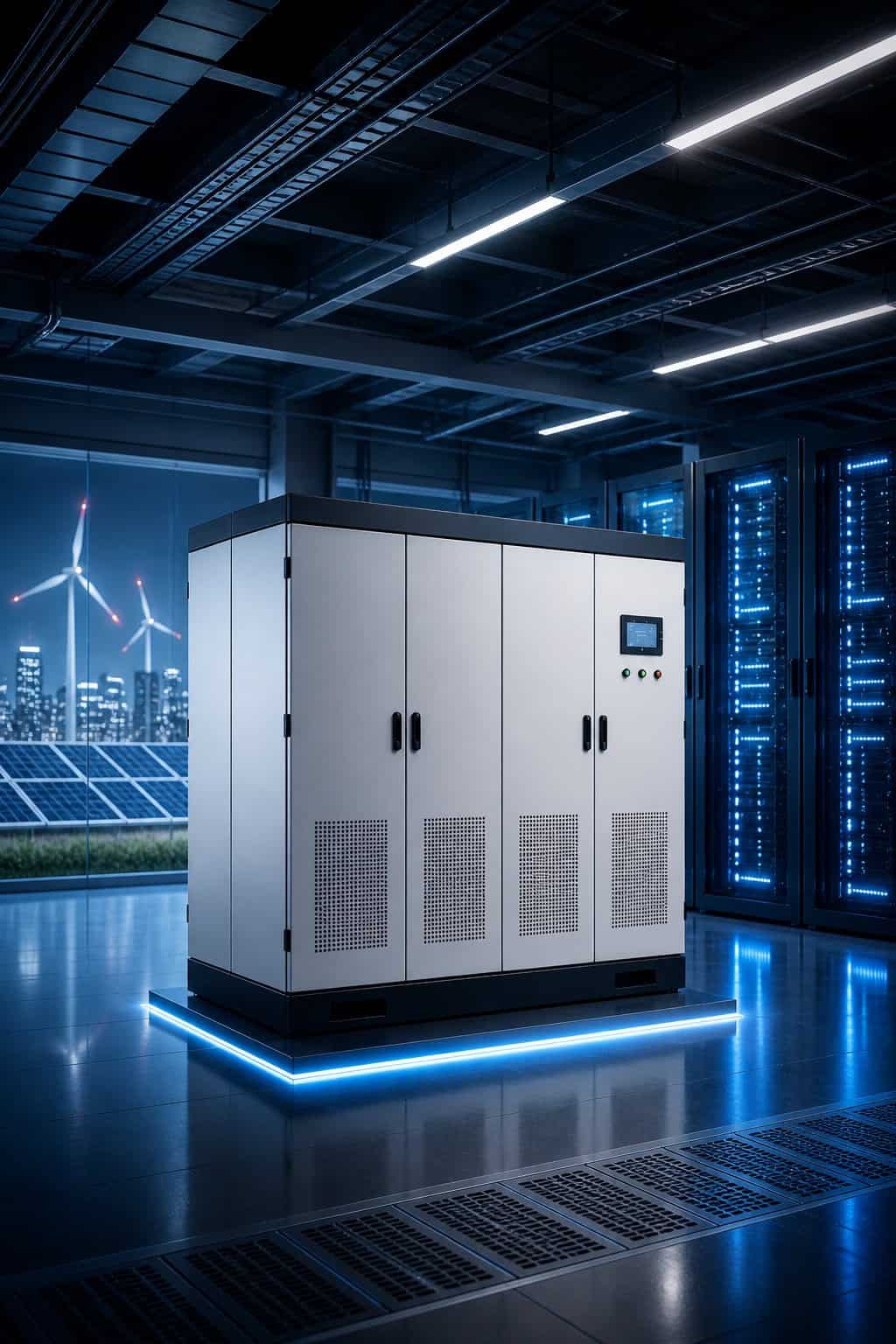
Learn more about ETAC’s Solid-State Transformer (SST) for AI data centers and modern power infrastructure.
| Feature | Traditional Transformer | Solid-State Transformer (SST) |
|---|---|---|
|
Technology |
Electromagnetic induction |
High-frequency power electronics |
|
Output Type |
AC only |
Native AC/DC capability |
|
Efficiency |
Lower system efficiency |
>97% potential efficiency |
|
Physical Size |
Large and heavy |
Compact and modular |
|
AI Data Center Readiness |
Limited |
Optimized for AI workloads |
|
Dynamic Load Response |
Slower |
Fast intelligent response |
|
DC Power Integration |
Requires external rectifiers |
Native DC output |
|
Monitoring & Controls |
Limited |
Advanced digital controls |
|
Deployment Speed |
Slower infrastructure installation |
Faster modular deployment |
Modern AI data centers are placing unprecedented demands on electrical infrastructure.
High-density GPU clusters, AI model training systems, and HPC workloads require significantly higher power density, faster load response, and improved energy efficiency compared to traditional enterprise environments.
Unlike traditional transformers, Solid-State Transformers (SST) support intelligent power management, native DC architecture, and dynamic load balancing, making them highly suitable for next-generation AI data center power infrastructure.
For large AI data centers operating GPU clusters and HPC infrastructure, even small efficiency improvements can result in significant long-term energy savings.
Traditional transformer systems often require multiple external components for:
Each additional stage creates energy loss.
Solid-State Transformers integrate many of these functions into a single intelligent platform, with potential system efficiencies exceeding 97%.
Higher efficiency can help reduce:
Traditional transformers are typically large and heavy because of their low-frequency magnetic core design.
Solid-State Transformers use high-frequency switching technology, allowing much smaller transformer structures.
Compared to conventional transformer systems, SST platforms may reduce footprint significantly.
This is particularly valuable for:
Traditional transformers mainly perform passive voltage transformation.
In contrast, Solid-State Transformers can actively manage power quality through:
This makes SST technology highly suitable for modern electrical environments with fluctuating and dynamic loads.
Applications of Traditional Transformers
Traditional transformers remain essential for:
Their long service life and proven reliability continue to make them the preferred choice for many high-power applications.
Applications of Solid-State Transformer Technology
As AI infrastructure continues to evolve, electrical power systems must become more efficient, intelligent, and scalable.
Compared to traditional transformers, Solid-State Transformers offer major advantages for AI data centers, including:
While traditional transformers will remain important for utility infrastructure, SST technology is positioned to become a key component of next-generation AI data center power architecture.
ETAC supports advanced power infrastructure solutions for AI data centers, industrial facilities, and next-generation electrical systems, inlcuding Solid- State Transformer (SST), medium-voltage integration, and intelligent power distribution systems.
A Solid-State Transformer (SST) is an advanced transformer system that uses power electronics and semiconductor switching technology for intelligent voltage conversion and power management.
AI data centers require high efficiency, dynamic load handling, and DC-ready infrastructure. SST systems provide intelligent power management and native DC conversion for AI workloads.
Yes. SST systems can achieve efficiencies exceeding 97% depending on architecture and operating conditions.
Not entirely. Traditional transformers will continue serving utility and industrial applications, while SST technology is expected to expand in AI infrastructure, EV charging, and renewable energy systems.
Current challenges include higher initial cost, thermal management complexity, and dependency on advanced semiconductor components.